I arrived in Peru and found myself moving between snow-capped peaks, lagoons in colors that look unreal, Amazon jungle, giant dunes, colonial cities and treks at altitudes where even climbing a few stairs suddenly feels like an achievement.
This isn't a "10 places you must see in Peru" guide. It's more my own story from the trip — the places I loved, the things I'd do differently and the tips I wish someone had given me before I got there.
So let's go.
Cusco — the place it's very easy to get stuck in
I spent 12 days in Cusco, and some people stay much longer. Honestly? I completely understand why.
Cusco is the base for Machu Picchu, Rainbow Mountain, Humantay and plenty of trips in the area — but it's really not just a place you pass through on the way to a trek. It's simply fun to be there.
Wandering the streets, browsing the market, sitting in a café, eating something good and realizing another day went by without doing a single "attraction".
But first of all — the altitude. Cusco sits at about 3,400 meters, and that deserves respect. I recommend giving yourself two or three easy days at the start. Don't land and immediately try to conquer a mountain. Listen to your body.
Those are great days for simply getting to know the city. I did a local cooking workshop and it was really fun. There are also chocolate workshops I heard good things about, though I didn't try one myself.
And the truth? Part of the joy of Cusco is exactly those days when you have no big plan.
Machu Picchu — yes, it really is worth the hype
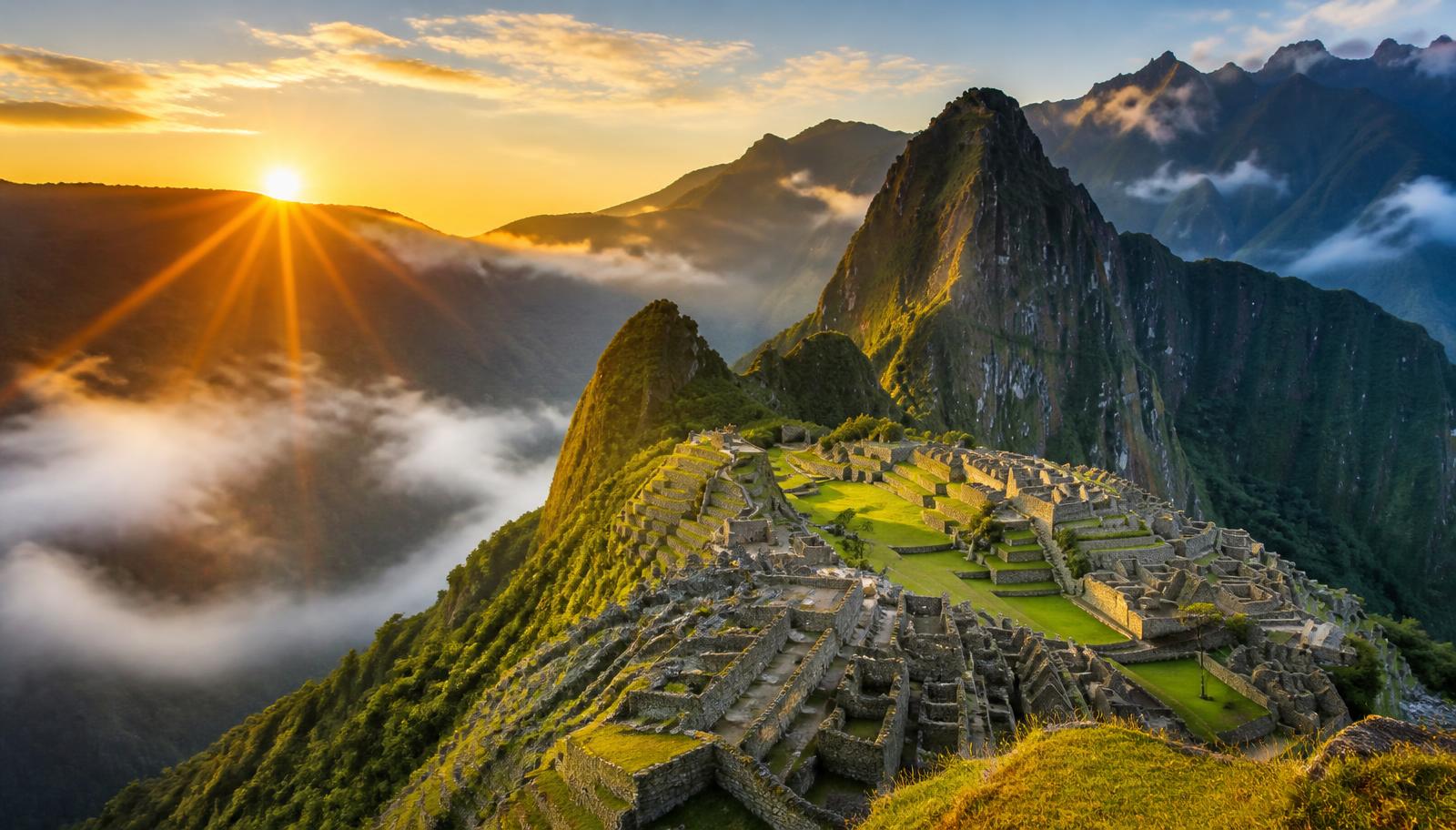
Some places you reach after seeing a thousand Instagram photos and they have no way left to surprise you. Machu Picchu somehow manages.
I chose to arrive via the five-day Salkantay trek, and that was a big part of the experience. Reaching Machu Picchu after several days of walking feels completely different from just popping over for the day.
But Salkantay really isn't for everyone. If you want something a bit more varied and playful, I'd look at Inca Jungle. It comes in several lengths and can include things like rafting and ziplining.
And if you don't want a trek at all — that's fine too. You can get to Machu Picchu in a much simpler way.
The one thing I wouldn't leave to the last minute is the Machu Picchu entrance ticket itself. Transport and everything around it is far easier to arrange later.
The day I came back covered in dust — ATVs around Cusco
One of the day trips that pleasantly surprised me was the ATV tour. You hop on a quad, ride through the countryside for about an hour and a half, reach a beautiful lagoon and continue to the salt mines.
It's not the most culturally profound day you'll have in Peru, but it's simply fun.
And yes — you're going to get dirty. So this is the moment to pull out the shirt you stopped taking photos in a long time ago.
Rainbow Mountain — there's a better way to do it
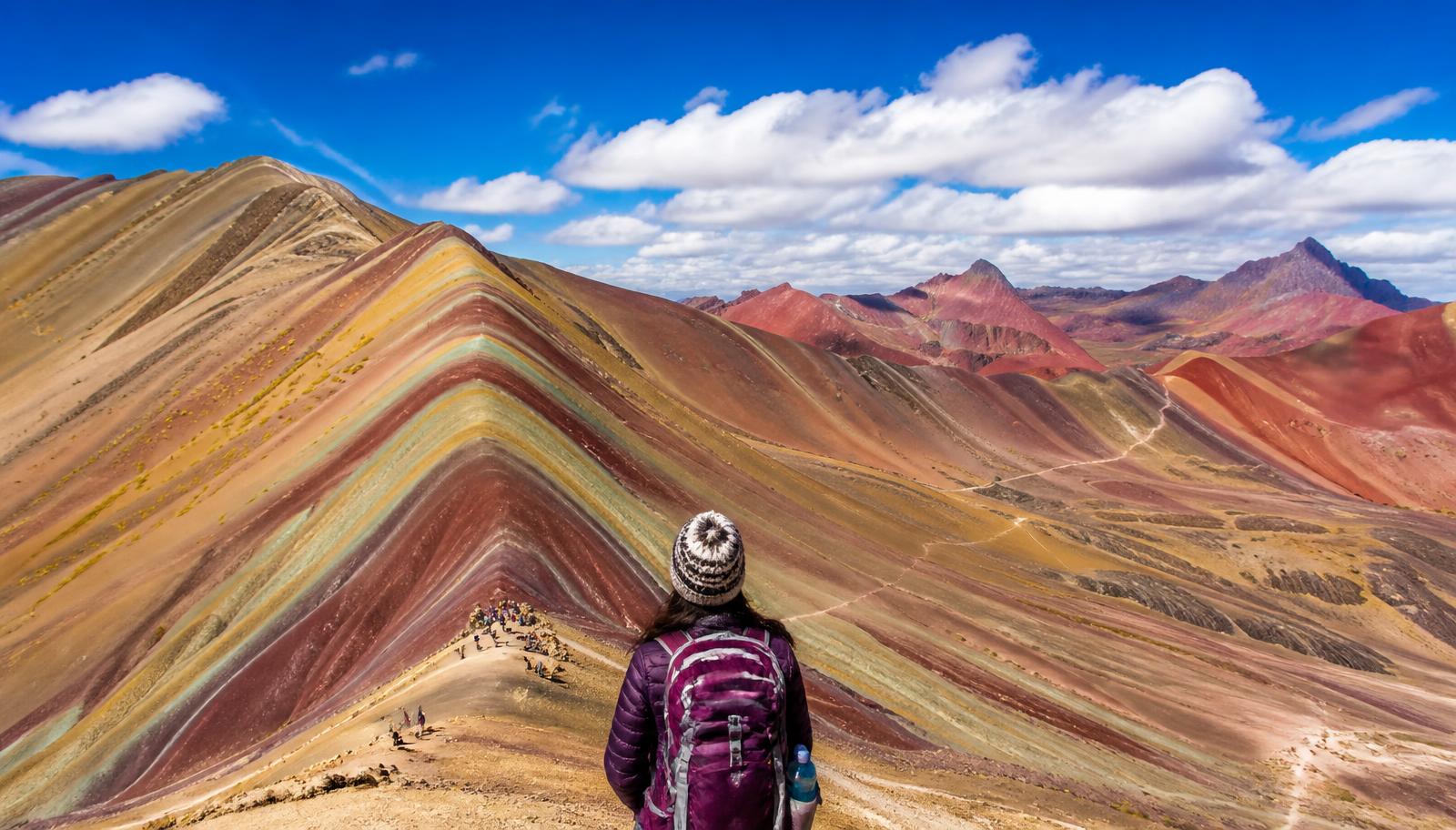
I know Rainbow Mountain is very touristy. I still wouldn't skip it.
The problem is that most organized tours leave at more or less the same hours, which means you reach the famous viewpoint together with… everyone. And I mean everyone.
One of the better options in my view is to gather a few people and hire a private driver who leaves later in the morning. The goal is to arrive around midday, exactly when the early groups start heading down. Suddenly the same place feels completely different.
And yes, Rainbow Mountain is very high. If it's hard for you, you can also take a horse for part of the way. There's no medal at the end for whoever suffered more.
And then comes the place I loved even more — the Red Valley
If you've already made it to Rainbow Mountain, don't head straight back to the car. Right next to it is the Red Valley.
Fewer people, much more quiet and an absolutely insane landscape.
It's exactly the kind of place where you can't understand why everyone is queuing for a photo in one spot when a few minutes away there's a view like this.
Humantay — a lagoon that looks edited
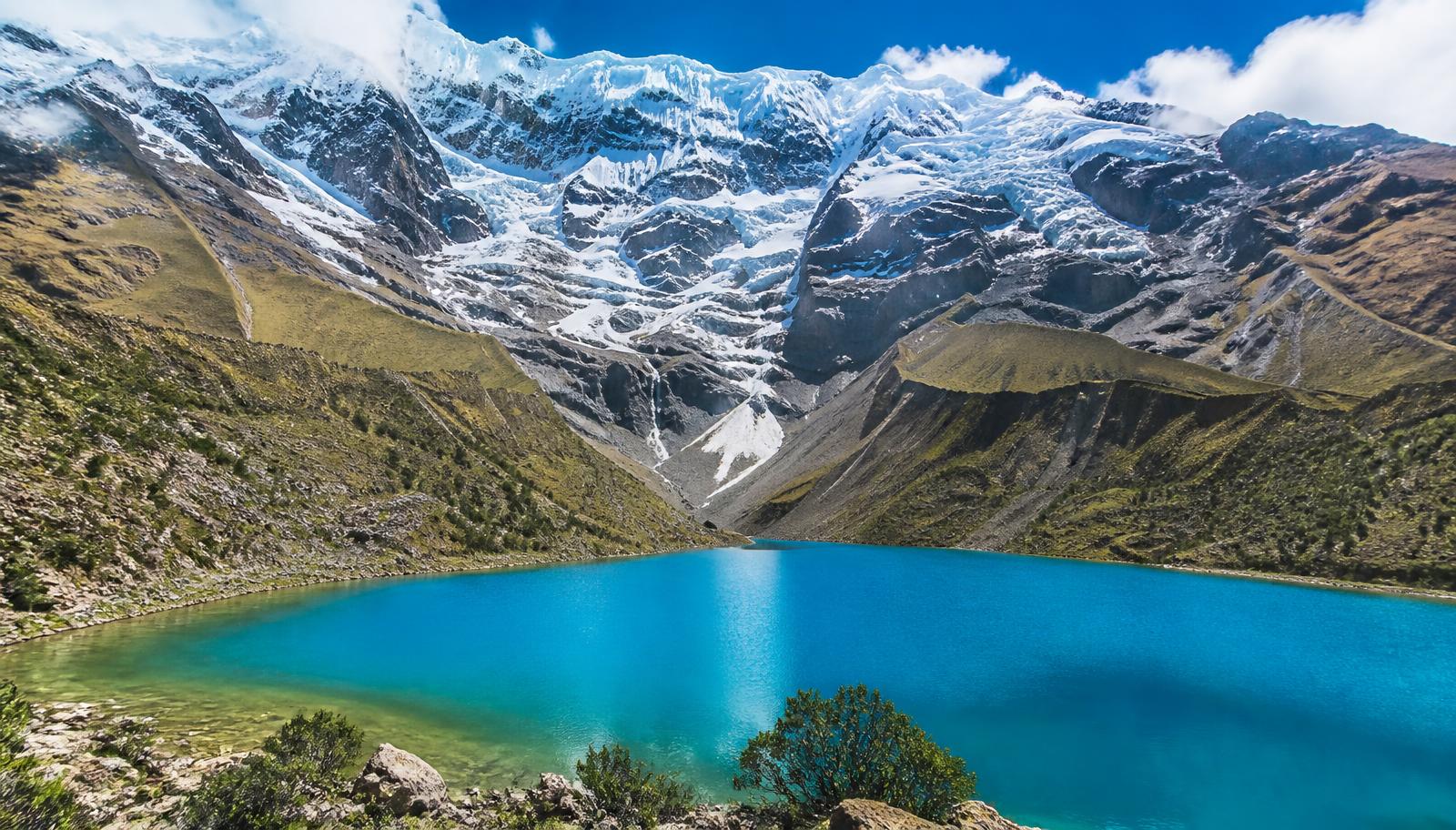
Another classic day around Cusco is Humantay Lake. Turquoise water, a snow-capped mountain behind it and a whole picture that looks slightly unreal.
Anyone doing Salkantay reaches it as part of the trek, but you can also come on a day trip.
In terms of walking it's not necessarily the hardest thing you'll do in Peru — but again, altitude changes everything. If your body doesn't respond well to it, don't fight it for a photo.
And what do you eat in Cusco?
What I recommend most is actually stepping away from the center. The further you get from the touristy area, the more you find local spots, excellent food and far less of a "tourist menu" atmosphere.
When I travel I love simply opening a map, picking a street that looks interesting and walking. In Cusco that works perfectly.
Puno — for Lake Titicaca
I spent only one day in Puno. If I did it again, I'd give it two days and mainly add a night with a local family.
The main reason to come here is of course Lake Titicaca and the floating islands. I'll say it upfront — the islands are very touristy. You arrive, they explain life there, and at some point they'll probably try to sell you something.
Despite that, the area itself is very special. If you're already going, I'd try not to settle for a few-hour tour but to add a homestay with a local family. To me it gives the experience far more depth.
And if you have time in town, head up to Kuntur Wasi, the condor viewpoint, to see Puno and the lake from above.
Arequipa — the city that surprised me
I spent four days in Arequipa, and you could easily stay longer. After a lot of nature and trekking, it's nice to reach a city that's simply pleasant to wander.
But for me the big reason to come to the region is Colca Canyon. I did the trek in two days. In hindsight? I'd do it in three.
Two days make the experience a bit more "come on, we have to get there", while three days let you stop, enjoy and sleep two nights at the bottom of the canyon. If you like treks but don't want your whole trip to turn into boot camp — this is a great option.
There's also a small salt flat in the area. If you're continuing to Bolivia afterwards, it's probably not a must-see. If Peru is your only destination in the region — worth checking out.
Huacachina — suddenly you're in the middle of a desert
And then Peru changes the scenery again. After mountains, lagoons and cities, you reach Huacachina — a tiny desert oasis surrounded by giant sand dunes.
I think one night here does the job. You arrive, drop your things, jump on a buggy and head into the dunes. From there it's sandboarding, and at some point you find yourself sliding down a dune in the middle of a Peruvian desert wondering how you even got into this situation. And that's exactly the fun.
If you have more time in the area you can add Nazca or Paracas, but personally the sands were enough for me.
I'd also try to stay the night inside Huacachina itself. At sunset, when the heat drops and the dunes take on a different color, the place is far more beautiful.
Lima — not just the city you fly home from
I think Lima gets a little less love than it deserves. True, after all of Peru's nature it can feel like "another big city", but it has a great vibe if you know where to wander.
I'd focus mainly on Miraflores and Barranco. Walk the clifftop promenade, look at the ocean, stroll the streets and simply allow yourself an urban day without chasing attractions.
You can also join a free walking tour and get to know the city a bit better.
And most importantly — eat. Lima is a great place to arrive hungry.
Iquitos — switching into Amazon mode
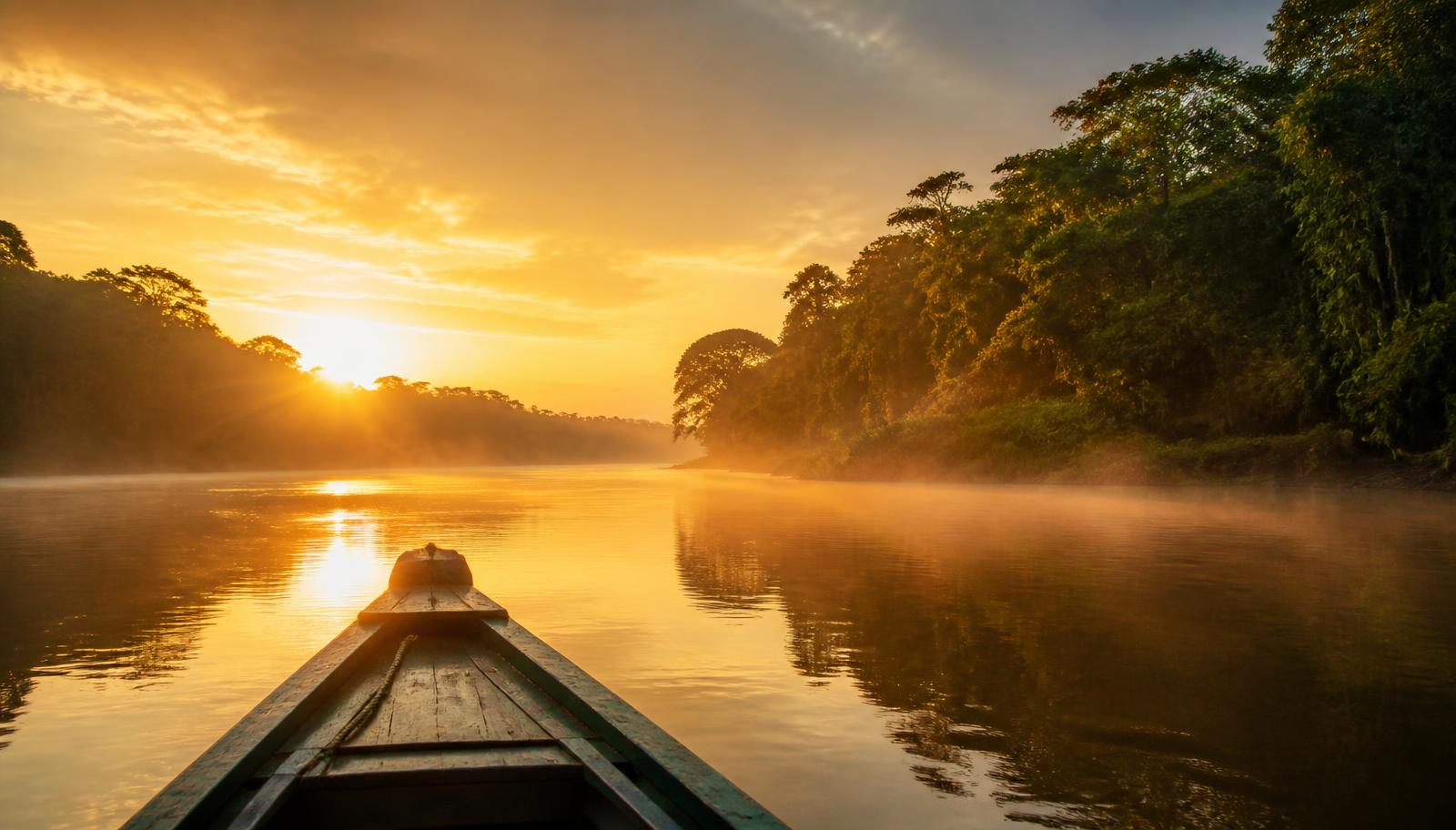
Iquitos was one of the most different experiences of the trip. My first tip, before the jungle: don't bring the whole house. If you're coming from Lima and returning there, leave the big backpack behind and head into the Amazon with a small bag.
I went out for four days in the jungle. It was a perfect mix of "wow, I'm really in the Amazon" and "wait, what was that noise?".
Over those days we did jungle walks looking for wildlife, a night tour, a sunrise boat ride for birdwatching, piranha fishing, a sunset trip to see pink and grey river dolphins, and a visit to a local community.
One of the coolest things was a night boat ride searching for caimans. In the dark. In a small boat. In the Amazon. There are moments on a trip where you just tell yourself: okay, I'm going to remember this one.
Huaraz — where the trip levels up
If you love mountains and trekking, Huaraz is a must in my view. It's the kind of place you come to for a few days and then start looking into how to stay longer.
But here too — altitude. I'd dedicate the first day to acclimatizing and simply wandering the town.
I really liked the market area. It feels local and authentic, and you can buy food there and cook for yourself on rest days. And then the hiking begins.
Laguna Parón — starting easy
If you're looking for a first hike in the area, Laguna Parón is a great opener. The walk itself is relatively short and at the end you reach a huge blue-turquoise lagoon ringed by mountains.
It's a good day to check how your body feels before moving on to the more serious stuff.
Mateo — the day I climbed a glacier
This is something else. Nevado Mateo was one of the days I recommend most in Huaraz. This isn't another walk to a lagoon — you climb onto a glacier.
It's more physical, more challenging, and the altitude is felt. But the experience of walking on ice, surrounded by Andean peaks, is on a completely different level.
Laguna 69 — the classic
If you've seen photos from Huaraz, you've probably already seen Laguna 69. The way there is longer and mostly uphill. At some point you start asking yourself why you're doing this to yourself. And then you reach the lagoon. And suddenly you remember.
An important tip for all day hikes in the area: bring food and water. It sounds obvious, but after a few hours of walking at altitude you really don't want to discover your meal is half a snack left at the bottom of your bag.
And then came Huayhuash
Of everything I did around Huaraz, Huayhuash was one of the highlights. I did the five-day version.
Five days of mountains, lagoons, tents, altitude, a lot of walking and views that at some point make you stop taking photos, because every ten minutes there's another one that's even better.
Day one: you start in the middle of the night. Hours of driving to the trailhead and then you simply start walking. The first day eases you in — a few hours of hiking ending at the first camp, already above 4,000 meters. That's the moment you realize the trek has truly begun.
Day two — the view everyone knows: one of the most beautiful days on the route. You walk a full day and reach the famous lagoon panorama — the one you see in almost every Huayhuash photo. And it's one of those cases where the photo really doesn't do the place justice. Note that on this day a horse isn't always an option, so come prepared to walk.
Day three — San Antonio: on the third day you can add the San Antonio viewpoint. It's optional. I say: do it. Yes, it's another climb when you already have a few days in your legs. But then you get to the top. And it's one of those moments where you just stand there not knowing where to look first.
Day four — the day that breaks you: many kilometers, a climb above 5,000 meters and then a very long descent. You finish this day tired. Really tired. But at the end you reach a village, and suddenly basic things like a shower and a bit of internet feel like the pinnacle of human progress.
Day five — back to reality: you wake up and start the long way out. After days where everything around you was mountains, tents and lagoons, you're suddenly back to roads, cars and cities. And it feels a little strange.
Rest days in Huaraz matter just as much
Don't try to trek every single day. Really.
One of the things I loved most was actually taking a rest day, going to the market, buying groceries and cooking. After days of food on the go and trekking, a meal you made yourself feels amazing.
And if you're there on a Friday, it's worth checking out the Shabbat dinner at the Jewish house — especially if you've been traveling a long time and feel like a slightly more homely evening.
The most important thing Peru taught me
Don't rush. Peru is exactly the country where one more day in a place can change the whole experience. The altitude forces you to slow down, the distances are big, and sometimes the day you planned nothing at all turns out to be one you remember.
And above all — don't make the mistake of thinking Peru is Machu Picchu plus a few things along the way. Machu Picchu is incredible. But when I think of Peru, I also think of the silence in front of the Huayhuash lagoons, of climbing higher as every step gets a little harder, of pink dolphins in the Amazon, of sunset over the dunes in Huacachina and of those days in Cusco when I simply wandered with no plan at all.
And maybe that's what I loved most about this country: every time you think you've figured out what Peru looks like — the scenery changes and it starts all over again.